


Before the storm…
- Sign up for local alerts and warnings.
- Be prepared for a power outage by having emergency supplies like a flashlight, portable radio and three days' supply of food. Ask yourself what you, your family, or pets would need if you did not have access to a grocery store or pharmacy for at least three days.
- Create an emergency car kit containing items such as jumper cables, ice scrapers, blankets, cat litter and water.
- Make sure your vehicle is winterized with a full tank of gas, good winter tires, new wiper blades and winter formula washer fluid.
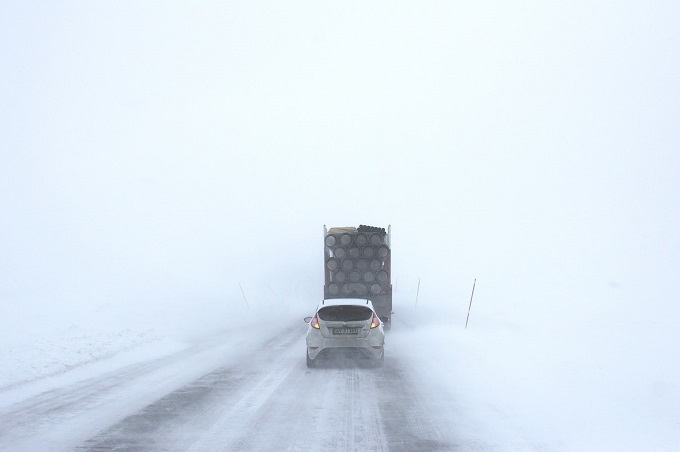
During the storm…
- Stay indoors if possible. If you must go outdoors, dress warmly and wear loose-fitting, layered, lightweight clothing. Wear a scarf over your mouth to protect your lungs.
- Watch for signs of hypothermia, including uncontrollable shivering, weak pulse, disorientation, incoherence and/or drowsiness, and frostbite including gray, white or yellow skin discoloration, numbness and waxy feeling skin.
- Avoid carbon monoxide poisoning. Only use generators and grills outdoors and away from windows. Never heat your home with a gas stovetop or oven.
- Avoid overexertion when shoveling snow to reduce the risk of heart attack.
- To prevent frozen pipes, let your hot and cold faucets drip and open cabinet doors to allow heat to get to uninsulated pipes under sinks on exterior walls.
- Never attempt to charge or jump-start a car battery that is frozen, as it may rupture or explode.
- Never warm up a vehicle in an enclosed area, such as a garage.
- Keep your pets inside.
- If there are outdoor cats in your area, bang on the hood of your car before starting the engine to give them a chance to escape.
- The ASPCA suggests wiping your dog's legs and stomach down when they come in from snowy or icy conditions. Dogs can ingest salt, anti-freeze and other chemicals when licking their paws.
Do you have any tips we forgot to mention? Leave them in the comments.