While apartment kitchens may be cozy in size, they are full of potential for delicious culinary adventures. In this post, we'll explore practical and creative kitchen hacks that can be helpful in any size kitchen. From maximizing storage to optimizing cooking space, these hacks will help you turn your kitchen into a the most efficient space.
1. Efficient Meal Prep Strategies
In a cozy kitchen, efficient meal prep is key. Embrace batch cooking and prepare ingredients in advance to streamline your cooking process. Chop vegetables, marinate proteins, and portion out ingredients ahead of time. Utilize stackable containers to save space in your refrigerator, making mealtime a breeze.
2. Space-Saving Kitchen Gadgets
Invest in space-saving kitchen gadgets to make the most of your limited counter and storage space. Consider collapsible measuring cups, nesting bowls, and foldable cutting boards. Opt for multipurpose tools like a blender that doubles as a food processor or a toaster oven that can handle various cooking tasks. These gadgets not only save space but also add versatility to your kitchen.
3. Creative Storage Solutions
Maximize your kitchen storage with creative solutions. Install adhesive hooks on cabinet doors to hang utensils, pot lids, or even oven mitts. Use tension rods to create additional shelving for spices or cutting boards inside cabinets. Magnetic strips can be a sleek way to store knives or metal kitchen tools, freeing up drawer space.
4. Vertical Space Utilization
Think vertically to make the most of your kitchen's vertical space. Install floating shelves on unused walls to store cookbooks, spices, or decorative items. Consider a wall-mounted pot rack to free up cabinet space and add a touch of culinary charm. Magnetic spice jars on the refrigerator or a pegboard for utensils are excellent ways to keep essentials within easy reach.
5. Compact Storage for Pots and Pans
For those with limited cabinet space, explore creative ways to store pots and pans. Consider hanging a pot rack from the ceiling or a wall-mounted pegboard with hooks. Alternatively, invest in stackable cookware sets to save cabinet space efficiently. Hanging or stacking your pots and pans not only frees up storage but also adds a stylish and organized touch to your cozy kitchen.
Cooking in a cozy kitchen is all about maximizing space and efficiency. By incorporating efficient meal prep strategies, space-saving kitchen gadgets, creative storage solutions, vertical space utilization, and compact storage for pots and pans, you can transform your small kitchen into a functional and enjoyable cooking space. Embrace these apartment-friendly kitchen hacks, and let your culinary creativity thrive in the heart of your cozy home!
As the final moments of the year unfold, people around the world come together to bid farewell to the past and welcome the promise of a new beginning. New Year's Eve is a time of reflection, celebration, and the embrace of traditions that vary across cultures but share a common thread of optimism and hope. Let's delve into some of the most cherished and widespread New Year's Eve traditions.
1. Countdown to Midnight:
The iconic countdown to midnight is a universal tradition that transcends borders and time zones. Whether in the heart of Times Square or a cozy living room, people gather to count down the seconds until the clock strikes midnight, signaling the arrival of the new year.
2. Fireworks Extravaganza:
Lighting up the night sky with a dazzling display of fireworks is a tradition embraced by cities worldwide. The vibrant explosions of color symbolize the excitement and anticipation associated with the fresh start of a new year.
3. A Toast to the New Year:
Raising a glass to toast the arrival of the new year is a tradition deeply rooted in many cultures. Whether it's champagne, sparkling cider, or a favorite beverage, the clink of glasses is a symbolic gesture of good wishes for the year ahead.
4. New Year's Resolutions:
As the calendar turns, many people take the opportunity to set resolutions for the coming year. These resolutions often focus on self-improvement, personal growth, and the pursuit of happiness and fulfillment.
5. First-Footing:
In Scotland and other parts of the world, the first person to enter a home after the stroke of midnight is known as the "first-footer." This person is believed to bring good luck for the coming year and is often chosen strategically for their positive qualities.
6. Eating 12 Grapes at Midnight:
In Spain and other Spanish-speaking countries, it's a tradition to eat 12 grapes at the stroke of midnight, each grape symbolizing good luck for one month of the upcoming year. It's a sweet and flavorful way to welcome the new year.
7. Burning an "Old Man":
In Ecuador and parts of Latin America, it's a tradition to create effigies, known as "Año Viejo" or "Old Man," representing the past year. These effigies are burned at midnight, symbolizing the casting away of the old and the embracing of the new.
8. Watching "Dinner for One":
In Germany and other European countries, it's a tradition to watch the British comedy sketch "Dinner for One" on New Year's Eve. The short film has become a beloved part of the holiday festivities in these regions.
9. Cultural Celebrations:
Different cultures have their unique New Year's Eve traditions. For example, in Japan, the ringing of temple bells, known as "Joya no Kane," is a sacred tradition. In the Philippines, round shapes, such as coins and fruits, symbolize prosperity.
10. Midnight Kiss:
The midnight kiss is a widely cherished tradition, symbolizing love and affection. Couples around the world share a kiss as the clock strikes twelve, ushering in the new year with a gesture of unity and connection.
As we celebrate New Year's Eve, these traditions weave a rich tapestry of cultural practices and shared human experiences. Whether it's watching fireworks, making resolutions, or sharing a toast with loved ones, these rituals connect us across continents, reminding us that, despite our differences, we all share in the anticipation of a new and hopeful beginning. Here's to the traditions that bring us together and the promise of a brighter tomorrow!
In our fast-paced urban lives, it's easy to forget the impact we have on the environment. Fortunately, adopting a sustainable lifestyle in your apartment is not only possible but also rewarding. From reducing energy consumption to practicing recycling, we've got some eco-friendly tips that can transform your apartment into an environmentally conscious haven. Let's embark on this journey toward sustainable apartment living!
1. Conserve Energy Efficiently:
To start your journey toward sustainability, focus on reducing your energy consumption. Small changes can lead to significant savings and a lighter carbon footprint. Here's how:
- LED Lights: Swap out your incandescent bulbs for energy-efficient LED ones. They consume less energy, last longer, and emit less heat.
- Unplug and Switch Off: Make it a habit to unplug chargers and appliances when they're not in use. Even in standby mode, they can consume energy.
2. Reduce, Reuse, Recycle:
A cornerstone of sustainable living is the three Rs – Reduce, Reuse, and Recycle. In an apartment setting, this can be simplified in several ways:
- Reduce Waste: Cut down on single-use plastics by opting for reusable alternatives like glass containers, stainless steel water bottles, and cloth shopping bags.
- Composting: If you have space for a small compost bin, use it to dispose of organic waste. Composting not only reduces landfill waste but also enriches the soil.
- Recycling Center: Familiarize yourself with your apartment building's recycling policies and make use of them diligently. Proper sorting of recyclables can make a significant difference.
3. Greenify Your Space:
Bring a touch of nature indoors by incorporating houseplants. Not only do they purify the air, but they also create a calming atmosphere. Some low-maintenance options include snake plants, pothos, ZZ plants and succulents.
4. Conscious Consumerism:
When decorating or buying new items for your apartment, consider sustainable, eco-friendly options or shopping second-hand. Look for products made from recycled materials or support local artisans. Vintage and second-hand furniture can also be a stylish and sustainable choice.
5. Reduce Plastic Waste:
Minimize your use of single-use plastics by buying in bulk, choosing products with minimal packaging, and avoiding disposable items such as plastic cutlery and straws – especially when ordering take-out.
6. Community Engagement:
Get involved in your apartment community's sustainability efforts. Encourage your neighbors to participate in recycling programs or advocate for energy-saving initiatives within your building.
Living sustainably in an apartment may seem challenging at first, but with the right mindset and a few lifestyle adjustments, it becomes second nature. Your efforts, no matter how small, contribute to a cleaner and healthier environment for all. Happy green living! 🌿🏙️
Creating a positive environmental impact starts at home. Through sustainable living, we can live a lifestyle that attempts to reduce society’s reliance on the Earth’s natural resources. Apartment dwellers can take earth-conscious steps towards making their home an eco-friendly zone and reap the numerous benefits that come along with sustainable living, which include cost savings and a healthier life. To help you take the first step into sustainable apartment living, here are 9 tips:
Reduce Your Energy Use
There are numerous ways to reduce your home’s energy consumption, like making sure to shut down your computer, unplugging idle electronics, and turning off lights when they’re not in use. Speaking of lights, make sure you’re using LEDs , which are eco-friendly, energy-efficient, and have a longer lifespan.
Conserve Water
Did you know the average American uses an average of 82 gallons of water a day at home? What’s more, nearly 1 in 10 people around the world lack access to clean water . Do your part to reduce water consumption by turning off the water when it’s not in use (this includes while washing hands), taking shorter showers, only running your dishwasher when its full, and reporting all water leaks to your Leasing Office. Conserving water protects our ecosystem and can also save you money on your energy bills!
Use Green Cleaning Products
Cleaning products are necessary for maintaining attractive and healthy conditions - the removal of dust, allergens, and infectious agents is crucial to maintaining a healthy indoor environment. However, certain cleaning products may contain chemicals associated with eye, skin, or respiratory irritation, or other human health issues . Making the switch to green cleaning products can help to reduce the human health and environmental concerns that come along with cleaning.
To identify greener cleaning products, consult the EPA’s Safer Choice program , which certifies products that contain safer ingredients for human health and the environment.
Opt for Energy Efficient Appliances
While you may not have a say in the type of larger appliances used in your apartment home, swapping your smaller appliances for eco-friendly alternatives can make a huge difference in your energy bill and carbon footprint. Though they can cost more up front, energy efficient appliances will save you enough in utility costs that they’ll often pay for themselves in a short time.
Shop Sustainable Furniture
Often made of cheap single-use materials derived from questionable working conditions, fast furniture is manufactured quickly and en masse to keep up with passing trends. That kind of consumption is having real ramifications on the planet. The EPA estimates that over 9 million tons of furniture is tossed in landfill each year. What’s more, as furniture decomposes, it can emit harmful gases like methane and carbon dioxide.
When furnishing your apartment home, first opt for secondhand pieces to help keep them out of landfills. If secondhand isn’t an option, opt for pieces made from sustainable materials and by brands that are doing their part to reduce their environmental impact .
When it comes to floor coverings, choose rugs made with natural materials like organic cotton, seagrass, jute, and wool.
Control Temperature Naturally
Besides adding a touch of design and personality to your apartment, window treatments provide shade against the sun in the summer and trap heat during winter. When choosing window attachments, look for products certified with the Attachments Energy Rating Council (AERC) Energy Improvement rating for increased energy savings and added comfort.
Control the temperature in your home more naturally by opting for an open window vs air conditioning or adding or removing layers of clothing. And when it is time to turn on the thermostat, make sure to schedule your programmable thermostat for optimal energy savings.
Reduce Your Overall Consumption
Recycling items you’re no longer using is a great way to reduce your footprint, but reducing your consumption in the first place has an even bigger impact.
Buying less isn’t about purchasing only sustainable brands or shopping secondhand. It’s about being thoughtful with what you buy, thinking about the future, and spending your hard-earned cash on things you’ll actually use.
Opt for Zero-Waste Consumables
Single-use plastics are a glaring example of the problems with throwaway culture and reflect our tendency to prioritize convenience over durability and consideration of long-term impacts. Of the 300 million tons of plastic waste produced each year worldwide, half of that is for single-use items.
Zero waste alternatives can be found for nearly every single use plastic consumable – like toilet paper, dish soap, laundry detergent and more!
When it comes to living a low waste lifestyle, perfection isn’t the prime objective. Simply swapping out one or a few of your “normal” items for these zero waste products is a significant move.
Compost Food Waste
Tossing food waste into a garbage bin might seem like no big deal, but food waste sent to landfills can seriously impact climate change. When food waste is trapped in a landfill without air, it releases methane, which is a potent gas that contributes significantly to global warming.
One way to avoid this is to compost your food waste . Composting is a process of naturally recycling organic materials like leaves and food scraps into decomposed matter that enriches the soil. Composting simply speeds up the process of decomposition by creating the ideal environment for microorganisms to feed on them.
You can add compost to your window boxes, mix it with potting soil for indoor plants.
Creating an eco-friendly apartment has immense benefits, from ridding your space of dangerous greenhouse gas emissions, improving your health by avoiding products and materials that contain toxic chemicals, and saving energy by using lights and electrical appliances that are power efficient. Practice the tips mentioned above and create an eco-friendly apartment. Not only will you save money, but you will be doing your part in saving our planet.
November 15 th is America Recycles Day; a day aimed towards recognizing the importance and impact of recycling. Environmental Protection Agency encourages every American to contribute by recycling right, not only on America Recycles Day, but all year long. This means not only checking with your local recycling provider to know what they will accept in your recycling bin, but also learning how to properly recycle item that do not go in the curbside bin , like plastic bags, electronics, and batteries.
Benefits of Recycling
Recycling offers many benefits; some of which you are likely already aware and others which you may not have considered! Beyond reducing the amount of waste sent to landfills and incinerators, some of recycling’s other benefits include…
Conserving natural resources such as timber, water, and minerals
Increasing economic security by tapping a domestic source of materials
Preventing pollution by reducing the need to mine raw materials
Saving energy
Supporting American manufacturing
Creating new jobs
What You Can Do to Reduce Waste
Whether you're at home or on the go, there are many opportunities to go green by reducing, reusing, and recycling. For example, ask yourself these questions before making a purchase:
Do I really need it?
Do I have something similar?
Will I use it often?
Can I borrow this from someone?
Can I buy it secondhand?
Do I just want it because someone else has it?
Recycle More, Recycle Right
How often do you ask yourself what's right to put in your recycling bin? Making sure we know how to recycle the items we are discarding is important to preventing contamination, because too many contaminants can make the recycling load unacceptable. Recycling machinery and sorting lines must slow down to sort through additional waste material. This slower processing increases operating costs and puts our national recycling efforts in jeopardy. You can help improve the recycling rate by following these steps…
Check with your local recycling program to know what goes in your recycling bin .
Keep recyclables clean and dry.
Keep food and liquids out of the recycling bins.
Place your recycling bin and trash bin together so it’s easy to recycle.
Consider composting your food waste .
Keep plastic bags and wraps out of your recycling bin. Instead, find a drop off location that accepts these items for recycling.
Empty and flatten cardboard boxes before you recycle them.
Pizza boxes are recyclable; pizza is not!
Spread the word about the benefits of recycling and recycling right.
When in doubt, throw it out.
On this America Recycles Day, we encourage our Residents to revitalize our efforts to help address the climate crisis and meet the obligations we have as a Nation to future generations. Together we can create a cleaner and greener country.
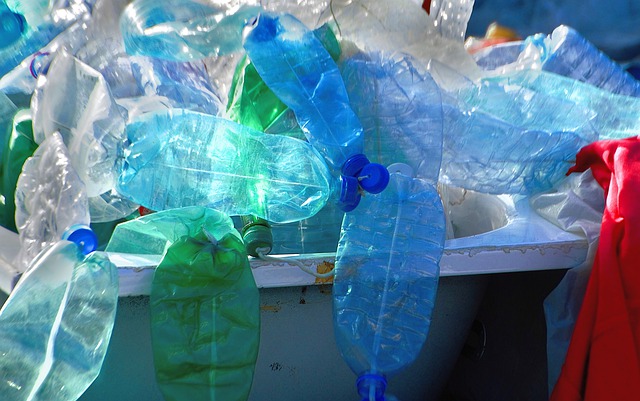
Single-use plastics are everywhere: the straw in our iced coffee, the plastic bags we use to carry our takeout home, the shampoo bottle on our shower rack. What’s more, they’re so ubiquitous—and so quickly thrown out—that they hardly register in our minds. But what is the actual cost of this prioritization of convenience over durability? The answer is pretty scary. Each year, we produce 300 million tons of plastic waste – with 8 million tons ending up in our oceans . Beyond that, microplastics in farm soils is a growing concern and is an overall threat to global human health . Not to mention, they are a contributing factor to climate change .
With all that we know about the dangerous implications of our single-use plastic habit, many people are making more environmentally-conscious choices when it comes to our consumer habits. If you want to join in the fight against single-use plastic pollution, here are some tips to get started!
Stop using plastic straws, even in restaurants. If a straw is a must, purchase a reusable stainless steel or glass straw .
Use a reusable produce bag. A single plastic bag can take 1,000 years to degrade . Purchase or make your own reusable produce bag and be sure to wash them often!
Give up gum. Did you know chewing gum creates more than 100,00 tons of plastic pollution each year.
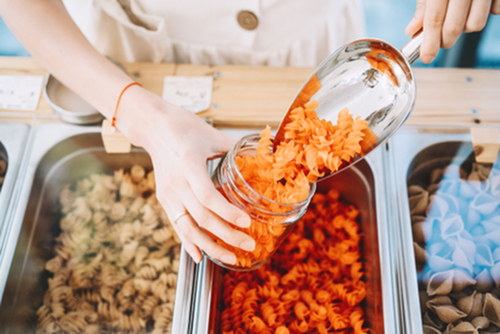
Purchase food, like cereal, pasta, and rice from bulk bins and fill a reusable bag or container. You save money and unnecessary packaging.
Reuse containers for storing leftovers or shopping in bulk.
Use a reusable bottle or mug for your beverages, even when ordering from a to-go shop. Some of them even offer a bring-your-own-cup discount !
Use matches instead of disposable plastic lighters or invest in a refillable metal lighter.
Avoid buying frozen foods because their packaging is mostly plastic. Even those that appear to be cardboard are coated in a thin layer of plastic. Plus you'll be eating fewer processed foods!
Don't use plasticware at home and be sure to request restaurants do not pack them in your take-out box.
Use cloth diapers to reduce your baby's carbon footprint and save money .
Make fresh squeezed juice or eat fruit instead of buying juice in plastic bottles. It's healthier and better for the environment.
Make your own cleaning products that will be less toxic and eliminate the need for multiple plastic bottles of cleaner.
Pack your lunch in reusable containers and bags. Also, opt for fresh fruits and veggies and bulk items instead of products that come in single serving cups.
Use a razor with replaceable blades instead of a disposable razor.
Skip the receipt. Thermal paper used for things like store receipts, movie tickets, and boarding passes are coated with measurable levels of BPA.
We’ve a long way to go before plastic-free living becomes commonplace, but by making these simple switches in our daily life and refusing single use plastic where we can, we can each do our part to get one step closer.
What switches have you made to eliminate single-use plastics from your life? Let us know in the comments!