
Posts about Pets

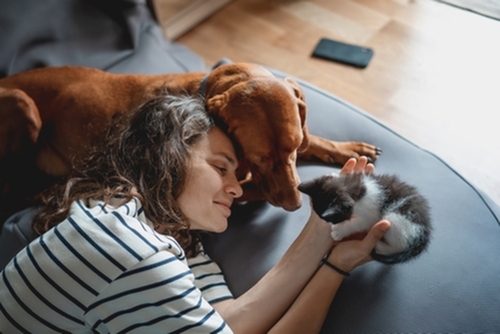
Pet-Friendly Apartment Living: Tips for Happy and Healthy Pets-image

Living in an apartment doesn't mean you can't have a furry friend by your side. With some thoughtful planning and consideration, apartment living can be enjoyable and fulfilling for both you and your pet. In this blog post, we'll explore essential tips and suggestions for creating a pet-friendly environment.   Research Pet Policies and Amenities: Before bringing a pet into your apartment, it's crucial to review and understand the pet policies set by your apartment community. Familiarize yourself with any breed or size restrictions, pet deposit or fees, and leash rules. Additionally, explore the pet-friendly amenities provided, such as dog parks, designated pet areas, or nearby walking trails, which can enhance your pet's living experience. Create a Safe and Comfortable Space: Designate an area within your apartment where your pet can feel secure and relaxed. Provide a comfortable bed or crate, along with toys and appropriate scratching posts for cats. Ensure that the space is free from hazards and that toxic substances or plants are out of your pet's reach. Creating a safe and peaceful environment is essential for your pet's well-being. Establish a Routine and Regular Exercise: Pets thrive on routine, so establish consistent feeding, exercise, and playtime schedules. Aim to provide your pet with daily exercise to keep them mentally stimulated and physically active. Take advantage of nearby parks or outdoor areas to allow your dog to explore and socialize. For cats, create vertical spaces with climbing structures or window perches to fulfill their natural instincts. Proper Waste Management: Be responsible when it comes to pet waste management. Always clean up after your pet during walks or outings and dispose of waste properly. Many apartment communities provide designated pet waste stations, so make use of them. By keeping the surroundings clean, you contribute to a more pleasant environment for everyone. Socialize and Engage: Pets are social creatures, so make an effort to socialize them with other pets and people within the apartment community. Attend community events or join local pet-related groups to meet fellow pet owners. Regular social interaction helps reduce anxiety and promotes positive behaviors in your pet. Regular Veterinary Care and Vaccinations: Ensure your pet's health and well-being by scheduling regular check-ups with a veterinarian. Stay up to date on vaccinations, flea and tick prevention, and other necessary treatments. Regular veterinary care not only maintains your pet's health but also ensures compliance with apartment pet policies. Enrichment and Mental Stimulation: Apartment living can sometimes limit the space available for your pet to roam. Combat boredom by providing mental stimulation through interactive toys, puzzles, and treat-dispensing toys. Rotate their toys regularly to keep them engaged and prevent monotony. Noise Management: Living in close quarters with neighbors means it's important to manage noise levels, especially if you have a vocal pet. Train your pet to limit excessive barking or meowing and consider using white noise machines or background music to help drown out external noises that may agitate your pet. At 500 Park Avenue Apartments we love our furry residents and want to make sure all our residents have the most positive living experience in our luxury apartments. By following these tips for a pet-friendly apartment environment, you can ensure the happiness, health, and well-being of your furry friend. Remember, a happy and content pet makes for a harmonious living environment within your apartment community.  

Read more
Tips for Keeping Your Pet Safe During Summer-image

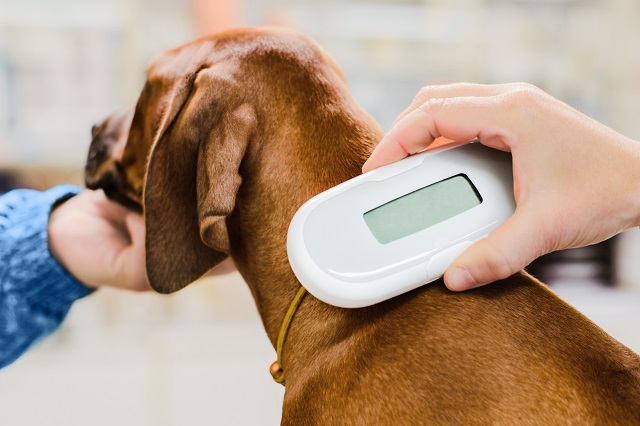
 For many of us, Memorial Day weekend marks the unofficial start of summer. With events returning , restrictions being lifted and many of us feeling ready and eager to start getting back to some semblance of our pre-COVID-19 life, travel is rebounding this year and people are looking forward to all the fun in the sun that summer brings. But while the warm weather may feel especially great this year, it is important to remember that our furry friends feel temperatures differently than we do and remember to take special care to keep them safe in the summer heat. By following the simple pet safety tips below, you will ensure that your pet keeps cool and safe in the summer months ahead: Never Leave a Pet in a Parked Vehicle The temperature inside your vehicle can rise almost 20º F in just 10 minutes. At 60 minutes, the temperature in your vehicle can be more than 40 degrees higher than the outside temperature. That means, even on a 70-degree day, a pet that has been inside a vehicle for an hour is being exposed to 110ºF heat. Animals left in vehicles are at serious risks of discomfort, illness and even death .   Responsible animal lovers can do their part to help pets in danger : if you see a distressed dog inside a parked car on a warm day, immediately call your local animal control or law enforcement for help.   Avoid Midday Outdoor Activities You may want to adjust your pet’s activities to avoid midday sweltering temps during the summer. Instead, take your pet outdoors during the early morning or late evening, which tend to be a bit cooler, to avoid overheating.   Keep in mind that asphalt gets very hot and can burn your pet’s paws. If it is too hot for you to go barefoot, it is too hot for your pet.   Be Aware of the Signs of Heat Stroke   Even if taking every precaution, know the signs of heat stroke, which can include excessive panting, dark or bright red tongue and gums, lethargy, stumbling, and vomiting.   If you suspect your pet is suffering from heat stroke, you should seek veterinary treatment as soon as possible. You can provide some immediate treatment by moving the pet to a cool spot, submerging them in a tub of cool (but not icy) water and allowing them to take small drinks of cool water.   Even after your pet has cooled and is no longer showing signs of heat stroke, it is still important to seek veterinary care immediately. Pets’ organs, such as the liver, kidneys, and the brain, are all affected by extreme body temperature elevation. It is best to have a veterinarian examine your pet to assess potential health complications and ensure that other risks are not overlooked.   Keep Your Pet Well-Groomed   A matted coat traps in heat , so keep up with your pet’s grooming schedule during the summer. Also resist the temptation to shave off your pet’s hair to keep him cool. Your pet’s coat will protect him from getting sunburned .   Keep Your Dog Away from Fireworks   The summer holidays also mean lots of fireworks displays. However, all dog owners will already know that the noise, smell, flashes of light and unpredictability of fireworks leaves our pets anxious and scared .   Never bring a dog to a firework show, and make sure they are indoors during scheduled displays. Before any local fireworks show, set up an area in a quiet space away from windows so that your pet can’t hear or see the fireworks. Use a crate if that is where your dog feels safe, and make sure to provide your pup with familiar toys and treats.   Make Sure Your Pet Has Proper ID   More pets go missing during the Independence Day holiday than during any other time of the year. If you can’t be home with your pet during fireworks displays, it’s especially important to make sure their ID is up-to-date , and know what to do if your microchipped pet goes missing . The summer months are filled with fun times for you and your furry friends, but keep in mind their safety. With these precautions, you will ensure your pet keeps cool (and safe) all summer long!  

Read more