Blog Posts

Best Dog Breeds for Apartments-image

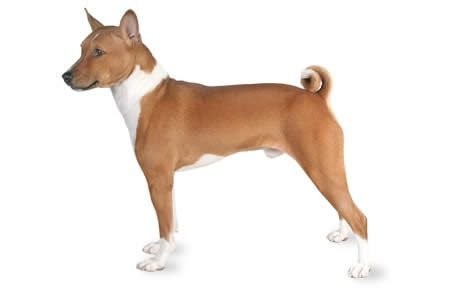
You want a pet that fits not only your personality, but your living arrangements. When it comes to apartment pets, size does matter. Giant paws and long legs don’t always mix well with tiny living spaces. However, the size of your dog isn’t the only thing that matters. When choosing the perfect pooch for your apartment, you should also take into consideration the dog’s energy level, noisiness, and even friendliness (neighbors in close quarters means lots of socializing and meeting new people and other pooches as well). With those general traits in mind, here are the 29 best apartment dogs that could be a great fit for folks with less space and tighter quarters!   1.  Basenji The Basenji is a great option when you have close neighbors and thin walls. This barkless dog rarely gets taller than 18 inches or over 25 pounds. But beware, when left unattended for long periods of time, the Basenji can be a mischievous companion. 2. Bichon Frise Even at their largest, the Bichon Frise (BEE-shawn FREE-say) won’t get taller than a foot. These little furballs are energetic, which means they love to play, but also  need daily exercise . Bichons also shed less than similar breeds, making them ideal to leave with in close quarters or for people with allergies. 3. Boston Terrier Another breed ideal because of their size, the Boston Terrier rarely grows taller than a foot and a half. These dogs can be particularly hyper, so they need daily, brisk walks to stay happy. But if you can keep them well-exercised, you’ll find these  American Gentlemen  to be wonderful, gentle, affectionate pets. 4. Brussels Griffon The Brussels Griffon is a lively, sturdy, small breed. They are highly affectionate and bond quickly with their owners. They love to snuggle, which might be a necessity, depending on just how small your apartment is!   5. Bulldog The Bulldog is perhaps most well-known for his laziness, making them a perfect dog for apartments. A short walk is all these guys need to keep them happy. Otherwise, they’re content to just laze around and snooze. They’re an incredibly gentle dog breed and rarely get taller than a 18 inches high. 6. Cavalier King Charles Spaniel These dogs love to cuddle. They will lay on your lap and beg for belly rubs any chance they get. They’re very attached to their owners, so small homes are even better for them. The biggest concern comes with housetraining, as they can be hard to train. But, if you give them plenty of time outdoors and positive reinforcement, they’ll quickly become trustworthy apartment pets.   7. Chihuahua Known for its small size, the Chihuahua makes a great apartment dog. They require minimum exercise and love being close to their owners. Chihuahuas can be untrusting of strangers, so it’s best to carefully supervise them in any social situation.   8. Chinese Crested The Chinese Crested is a remarkably laid back breed. These dogs make the perfect companion for a lower energy—even bedridden—owner. Their ability to lay in bed for hours, coupled with their small size, makes them the perfect low-maintenance apartment dweller. 9. Coton de Tulear   Cotons are happy-go-lucky dogs that are well-fit for living in small apartments. They are small in size, have easy to care for coats, exceedingly friendly with humans and other animals, and low exercise needs. The Coton loves to play fetch and go for walks, but won’t suffer from being inside for a day either. 10. Dachshund Dachshunds are the smallest of the  hound dogs.  (You probably know them for their tiny legs!) These are cute, lively dogs that often bring joy from their appearance alone. Their short legs allow them to be exercised entirely indoors, if needed. 11. French Bulldog French Bulldogs were originally bred in England to be miniature bulldogs. Their compact size and low activity needs made them good apartment dogs. Frenchies love to play and thrive on human contact. They also make great watchdogs, because they rarely bark without reason. 12. Havanese Nicknamed the “Velcro dog,” the Havanese will choose being inside with her owner over staying outdoors any day. However, don’t mistake their clingy personality with a lack of energy. These bouncy pups love to play, as long as their owners are near. Averaging under a foot tall, this breed makes a great apartment pet for someone with plenty of energy.   13. Greyhound Number thirteen on our list may surprise… Greyhounds, though traditionally known for their high energy and lanky legs, make surprisingly great small home pets. Their energy needs are well-satisfied with a daily brisk walk and their friendly, calm nature makes them a great choice even for smaller apartments.   14. Japanese Chin The Japanese Chin is a highly agile breed that makes a great indoor companion. Known for their catlike propensity for scaling tall furniture, the Chin can adapt to any living situation. Despite their elegant coats, the Chin needs little more than a weekly brushing to maintain. Their size, friendliness, and low-exercise needs make them great for apartment dwellers with less active lifestyles. 15. Lhasa Apso The Lhasa Apso thinks his a large dog, but lucky for your apartment they rarely grow taller than a foot. Early socialization and training are needed to bring out the best in this friendly, loyal breed. Unlike the Japanese Chin above, the Lhasa dogs have coats that require daily  brushing  and frequent bathing. 16. Lowchen The Lowchen are a playful, gentle breed. They are a toy breed, making their overall stature compact. Lowchen make affectionate pets who love to play and roughhouse, but do not have high exercise needs. They get along well with other animals and, with proper socialization, are friendly towards all humans, too. 17. Maltese The Maltese has been a highly-regarded companion dog for 2,000 years. Because they have no undercoat, the Maltese are not shedders, which may be ideal if you have to live in close quarters with them. They are an affectionate breed, but frequently suffer from  separation anxiety , so they are best suited for homebody type owners. 18. Manchester Terrier The Manchester Terrier is a very intelligent, responsive breed who is easily trained to apartment living. Their miniature size makes them ideal for even the tightest living quarters. This is another breed that does best with an owner who is home often; if left alone, they can become destructive and bark incessantly. 19. Miniature Pinscher With an appearance like a tiny Doberman, the Miniature Pinscher is as confident as he is energetic. They make great watchdogs because they are suspicious of strangers. The Mini Pin’s small size makes him good for apartments, but this breed may not do well with small children, and must be socialized early with other pets. 20. Pekinese The companion choice of the Chinese royal courts, the Pekinese require plenty of attention and affection. They will bark at strangers, so early training is a must. The Pekinese is best as the only dog in a household, though they can be socialized to accept other pets. They make great apartment pets due to their size and affectionate nature. 21. Pomeranian This feisty breed is a ball full of furry energy. They are not an overly dependent breed, so they make a good pet for someone who spends time out of the house. They need daily walks to work of their energy and weekly brushings. They’re also barkers, so early training is necessary to teach them when it’s appropriate. 22. Poodle Poodles are bred in three sizes: Toy, Miniature, and Standard. Toy and Miniature are a good size for a small apartment, while the Standard size can reach up to 70 pounds. Poodles are intelligent and exceedingly easy to train. Toy and Miniature Poodles have no trouble running of their energy in the aparment, though regular walks are recommended. 23. Pug Recognizable for their squished faces, Pugs are playful and loyal pets. They need to be close to their owners as much as possible and do not do well alone. Pugs are not generally “yappy” dogs, which means that no special training is needed to keep your neighbors happy. Due to their inactivity, quietness, and size, Pugs make a good pet for apartments of any size. 24. Schipperke The Schipperke is a small breed with a big personality. They are easy to train and do best when they always have a task. While not overly energetic, these dogs do need to be entertained. Their coats are easy to care for with regular brushing and they are not known to be a loud breed. All of that, along with their compact size, makes them a good option for small living spaces. 25. Shiba Inu The Shiba Inu is a dog known for his independence. Averaging around 20 pounds, it is a medium-sized breed that will do well indoors. However, the Shiba needs rigorous, daily exercise, so they are best suited to owners who already live an active lifestyle. Shiba Inus are best for skilled dog owners who are ready for this unique, fantastic breed. 26. Shih Tzu The Shih Tzu was bred to be a friendly lapdog. They make  great companions , as they are affectionate and calm. A Shih Tzu will fit in to any living environment. They are friendly to owners, strangers, other pets, and even children (as long as they are gentle). This dog was practically bred to be the perfect apartment companion. 27. Silky Terrier Another small dog with a big personality, the Silky Terrier is a loyal dog who bonds quickly with his owners. He’ll fit nicely into any apartment with his small size, though his barking could be an issue ( basic training  should take care of that, though). These dogs are full of energy, so they need daily walks to be happy in an apartment environment. 28. Toy Fox Terrier The Toy Fox Terriers are  intelligent  and easy to train. They’re a toy breed, making them a good size for even the tiniest of apartments. A Toy Fox Terrier makes a great companion who would love to curl up and cuddle. Personality is important here, as some Toy Fox Terriers will require more exercise than others. 29. Yorkshire Terrier ​ Commonly known as the Yorkie, these affectionate dogs can make great apartment pets. They’re small and can be exercised easily indoors. The biggest challenge will come from their inherent “ yappiness ” and distrust of strangers, though this can be avoided with  good training  and  socialization  early on. As always, it’s important to remember that every dog is an individual. While every breed has a general personality and disposition, there will always be variations. Do your research carefully and be sure to pick a pet that will fit your home, lifestyle, and personality. To find out more about different dog breeds check out our  DogTime Breed Center . Which  breed  do you think makes the perfect apartment dog? Let us know in the comments below  

Read more
The Lazy Person's Guide to Cleaning Your Apartment-image

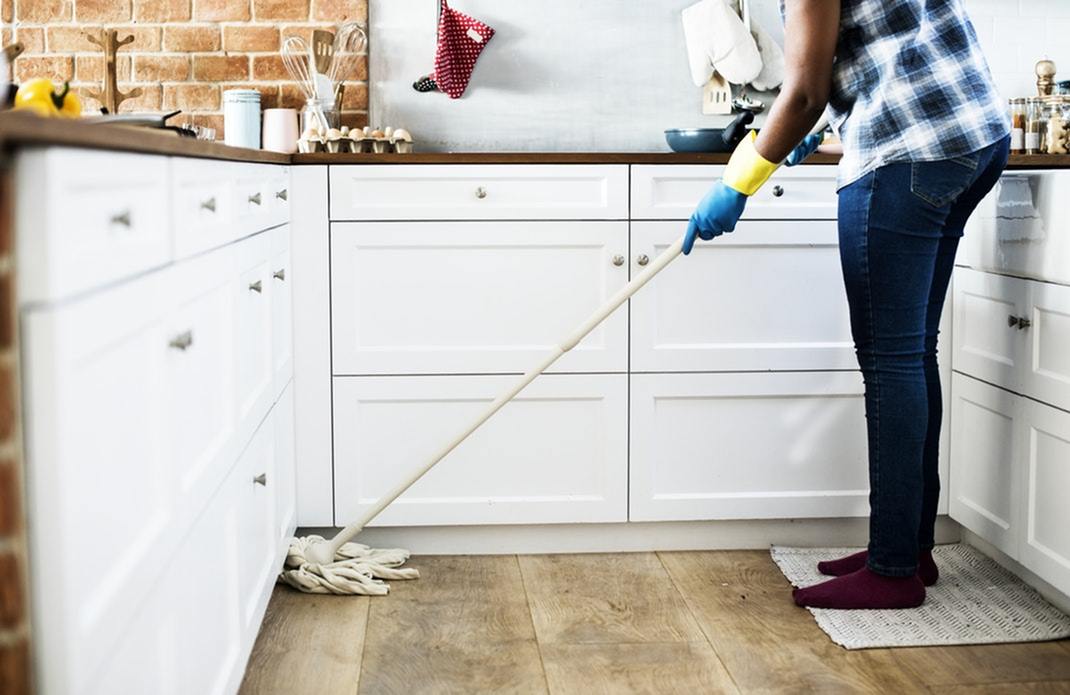
Vacuum before you dust Believe it or not, your vacuum emits a little bit of dust back into the air when it’s turned on. Vacuum the entire apartment first and let that dust settle on surfaces before you swipe over them with a Swiffer Duster. Sweep debris from your hard surfaces on to your carpeted surfaces You can save a step by doing this. Instead of collecting all your kitchen crumbs into a pile and sweeping them into a dust pan, kick it all over to your carpeted surfaces that you plan to vacuum anyway. Do the same for entry or bathroom rugs. Shake them out onto carpeted areas so they can be sucked up quick and easy. Work your way from the top down Start with shelves or light fixtures and dust those first. Dust has a way of getting kicked up and redistributed when dusting your home. By starting at the top, it will settle on surfaces below which can be more quickly and easily cleaned. Remove everything from your shower before you clean it Yes, this will actually save you time. Lifting and cleaning around your shampoo bottles is not only less effective, it takes double to time to pick it up, spray, grab the sponge and clean the area. Remove everything so you have an empty canvas you can simply wipe and go. Put everything back and you’re done.  

Read more
How to Hide Your Holiday Gifts in Your Apartment-image

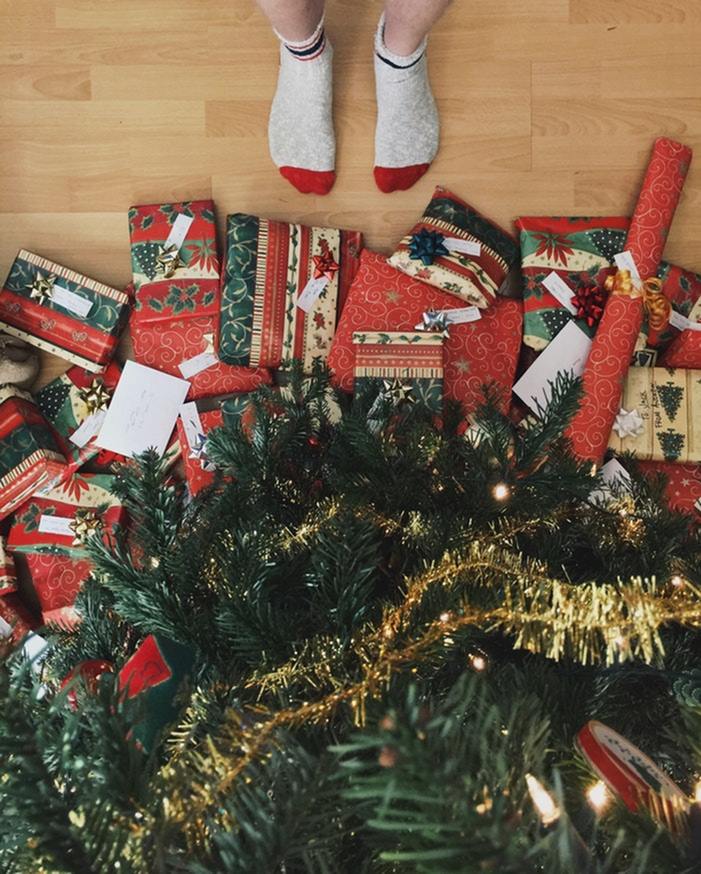
One quintessential part of the holiday season is opening up surprise gifts with friends and family. But if you live in an apartment, it can seem nearly impossible to find enough available hiding places. With some craftiness though, you can find hiding spots in the most unexpected places. Follow our tips to keep the surprises intact. 1. Wrap them The best place to hide holiday gifts from the kids and the rest of the family? It's right in plain sight. If you wrap or bag your gifts as soon as you take them home, you don't have to worry about prying family members. You can leave them right out in the open and no one will know what they are. Just make sure you let everyone know that they're "off limits" until the right time. 2. Leave gifts in the car If you drive an SUV or hatchback, you should have plenty of space in the back where you can just throw a blanket over your gifts to hide them. 3. Switch with a friend or neighbor What's the fun in prying for hidden gifts if the ones found aren't even yours? That's the idea behind this holiday gift hiding place. If you have a friend or neighbor in a similar situation as you, switch gifts with them until you're ready to present them – you keep their gifts in your apartment and you keep yours in theirs. Let your family know and maybe even hang some "Not Yours" tags on the gifts in case they're eventually found. 4. Empty holiday storage bins It's time for us to collectively admit it – we all have a few of those bulky, plastic storage containers filled to the brim with holiday decor and fanfare that we dust off once a year, empty out for a few weeks, and then put back away. Why not use those containers as storage for gifts while they're empty? Those containers only spend a few weeks of the year empty and it just so happens to coincide with the time you need extra storage, so why not? 5. Use decoys If you're hiding the gifts from little ones, you might be able to get away with a little box-label deception. Hiding gifts in plain, sealed boxes labeled with boring items like "expense reports" or "mileage logs" will almost guarantee your kids stay away. Some older kids may be a bit keener, so be cautious if you use this method! 6. Rent a short-term storage unit Most major storage unit companies offer some month-to-month or short-term rentals. Some of these units can be quite small and, as a result, quite affordable. If you have a lot of presents that need to be hidden, it might make sense to pay for a month of storage space in an external facility. These units will likely range between $35 to $80 per month. You could also share a storage unit for this purpose with a friend or neighbor to reduce the costs. If you choose to do this, make sure you ask all the necessary questions and don't unknowingly get roped into a longer-term agreement than you realize.

Read more
You're Doing Thanksgiving Wrong-image

If there’s one meal at which family drama is on full display, it’s Thanksgiving. Expectations and emotions run high, and there are a lot of moving parts to cause friction. Even the late great Anthony Bourdain, who was seemingly immune to the criticism of others, felt the pressure to pull off the most anticipated meal of the year. In fact, he dedicated a whole chapter to Thanksgiving in the book Appetites: A Cookbook. There, you’ll find recipes from Tony that are capable of distracting from any and all uncomfortable conversations. Below, a list of exactly what you’re doing wrong for the big day.  ​​ 1. Don’t start cooking on Thanksgiving Day. Preparing your whole meal in one day— even two—is a recipe for system failure. Order your fancy farmer-raised turkey now. Or, if you are going to buy a more plebian bird from a regular market, get your hands on it no later than the Monday before Thanksgiving.   2.  You’re not planning well enough. Plan for three days—that’s right, three days—of full-on Thanksgiving prep. Make a list of everything that needs to get done and follow it. The Tuesday before Thanksgiving, you should be organizing your supplies and tools, making sure you have enough roasting pans, mixing bowls, and storage containers ,and banging out advance vegetable prep. 3. You’re not giving yourself enough time to thaw everything out.   Do not wait until Thanksgiving to lay out your non-perishables and frozen items. The vast majority of holiday turkeys are sold frozen, and it takes about six hours per pound to defrost in the refrigerator. No amount of prayer, salting, or hastily applied hairdryers can speed up this process if you’ve waited until Wednesday to thaw a 12-pound bird. Your microwave isn’t big enough. You can jolly it along a bit with a cold water bath, which thaws the meat at approximately 30 minutes per pound, but do not float your turkey in your bathtub.   4. Don’t forget to make stock when it’s all over. It’s liquid gold for cold weather. Stock is the underrated superhero of the Thanksgiving meal, the product that comes out of nowhere to save almost everything except your pie. You should make stock out of your Thanksgiving turkey carcass—but the use of a good, dark, gelatinous-when-refrigerated stock that you have on hand before the meal is what’s going to upgrade your stuffing and gravy. Buy about five to seven pounds of turkey wings and necks as the base for a deeply-roasted stock, or invest in a couple of quarts of the best-quality turkey stock you can find a few days (or weeks) before the holidays. Use the stock made from your Thanksgiving birds for winter soups and stews. 5. You only make one turkey? That’s hilarious. My top Thanksgiving rule: Prepare a stunt turkey and a business turkey. My motto is “never let ‘em see you sweat.” To impress guests, roast and artfully arrange a small turkey, using any and all manner of garnishes and props, including (but not limited to): chop frills, rainbow pinwheels of skewered citrus fruit slices, maraschino cherries, curly kale, lit sparklers, and crisp, new $100 bills and/or gold leaf. While guests admire your artistry (and drink your Burgundy), carve the larger, roasted business turkey in the kitchen. The stunt turkey should be edible, of course. Use it to supplement the meal as needed, or lean on it entirely for care packages and day-after leftovers. (See below.) 6. Don’t throw away the fat. Do not discard the copious amounts of grease your bird has generously provided you with; use it to boost flavor. Butter is good, but turkey fat is better for delivering quintessential flavor. Save the grease that runs off the roasted birds and use it for the gravy and as a moistening agent for your stuffing. 7. Don’t try anything crazy. This is not the time for wild experimentation.   Stick with tradition on Thanksgiving .   You have 364 days of the year to experiment with the cuisines of the world, your dehydrator, and your sous vide machine. Give the people what they want on Thanksgiving: the likes of buttery mashed potatoes, savory stuffing with mushrooms or chestnuts or oysters, sweet potatoes with marshmallows, cranberry relish, bacon-enhanced Brussels sprouts, creamed onions, pumpkin or apple pie with real whipped cream, and above all, a straight-ahead bronzed turkey, roasted in the oven.     8. Don’t give it all away at the end of the meal. A good turkey sandwich, enhanced with a layer of stuffing and gravy, eaten in peace after your guests have gone, is the whole point of hosting Thanksgiving in the first place. By all means, send your friends and family home with care packages—but first, make sure you’ve tucked away enough additional stuff for yourself.

Read more
Taking Care of Your Teeth....Yes, You Read That Right-image

The following may seem like no-brainers, but the reality is most people don’t properly take care of their teeth and gums. It’s one of those things that if we don’t do it now, we’ll regret it when we’re older. Wise up! Brush twice a day. Floss. And read on…. Tooth Decay (Cavities) Teeth are meant to last a lifetime. By taking good care of your teeth and gums, you can protect them for years to come. Tooth decay is not just a problem for children. It can happen as long as you have natural teeth in your mouth. Tooth decay ruins the enamel that covers and protects your teeth. When you don’t take good care of your mouth, bacteria can cling to your teeth and form a sticky, colorless film called dental plaque. This plaque can lead to tooth decay and cavities. Gum disease can also cause your teeth to decay. Fluoride is just as helpful for adults as it is for children. Using a fluoride toothpaste and mouth rinse can help protect your teeth. If you have a problem with cavities, your dentist or dental hygienist may give you a fluoride treatment during the office visit. The dentist also may prescribe a fluoride gel or mouth rinse for you to use at home. Gum Diseases Gum diseases (sometimes called periodontal or gingival diseases) are infections that harm the gum and bone that hold teeth in place. When plaque stays on your teeth too long, it forms a hard, harmful covering, called tartar, that brushing doesn’t clean. The longer the plaque and tartar stay on your teeth, the more damage they cause. Your gum may become red, swollen, and bleed easily. This is called gingivitis. If gingivitis is not treated, over time it can make your gums pull away from your teeth and form pockets that can get infected. This is called periodontitis. If not treated, this infection can ruin the bones, gums, and tissue that support your teeth. In time, it can cause loose teeth that your dentist may have to remove. Here’s how you can prevent gum disease: Brush your teeth twice a day (with a fluoride toothpaste). Floss once a day. Make regular visits to your dentist for a checkup and cleaning. Eat a well-balanced diet. Don’t use tobacco products. Cleaning Your Teeth and Gums Knowing how to brush and floss the right way is a big part of good oral health. Here’s how: every day gently brush your teeth on all sides with a soft-bristle brush and fluoride toothpaste. Small round motions and short back-and-forth strokes work best. Take the time to brush carefully and gently along the gum line. Lightly brushing your tongue also helps. Along with brushing, clean around your teeth with dental floss to keep your gums healthy. Careful flossing will remove plaque and leftover food that a toothbrush can’t reach. Rinse after you floss. If brushing or flossing causes your gums to bleed or hurt your mouth, see your dentist. Your dentist also may prescribe a bacteria-fighting mouth rinse to help control plaque and swollen gums. Use the mouth rinse in addition to careful daily brushing and flossing. Some people with arthritis or other conditions that limit motion may find it hard to hold a toothbrush. It may help to attach the toothbrush handle to your hand with a wide elastic band. Some people make the handle bigger by taping it to a sponge or Styrofoam ball. People with limited shoulder movement may find brushing easier if they attach a long piece of wood or plastic to the handle. Electric toothbrushes can be helpful. Dentures Dentures (sometimes called false teeth) may feel strange at first. When you are learning to eat with them, it may be easier if you: Start with soft non-sticky food; Cut your food into small pieces; and Chew slowly using both sides of your mouth. Dentures may make your mouth less sensitive to hot foods and liquids. They also may make it harder for you to notice harmful objects such as bones, so be careful. During the first few weeks you have dentures, your dentist may want to see you often to make sure they fit. Over time, your mouth changes and your dentures may need to be replaced or adjusted. Be sure to let your dentist handle these adjustments. Keep your dentures clean and free from food that can cause stains, bad breath, or swollen gums. Once a day, brush all surfaces with a denture care product. When you go to sleep, take your dentures out of your mouth and put them in water or a denture cleansing liquid. Take care of partial dentures the same way. Because bacteria can collect under the clasps (clips) that hold partial dentures, be sure to carefully clean that area. Dental Implants Dental implants are small metal pieces placed in the jaw to hold false teeth or partial dentures in place. They are not for everyone. You need a complete dental and medical checkup to find out if implants are right for you. Your gums must be healthy and your jawbone able to support the implants. Talk to your dentist to find out if you should think about dental implants. Dry Mouth Doctors used to think that dry mouth (xerostomia) was a normal part of aging. They now know that’s not true. Older, healthy adults shouldn’t have a problem with saliva. Dry mouth happens when salivary glands don’t work properly. This can make it hard to eat, swallow, taste, and even speak. Dry mouth also can Alzheimer’s Diseased to the risk of tooth decay and infection. You can get dry mouth from many diseases or medical treatments, such as head and neck radiation therapy. Many common medicines also can cause dry mouth. If you think you have dry mouth, talk with your dentist or doctor to find out why. If your dry mouth is caused by a medicine you take, your doctor might change your medicine or dosage. To prevent the dryness, drink extra water. Cut back on sugary snacks, drinks that have caffeine or alcohol, and tobacco. Your dentist or doctor also might suggest that you keep your mouth wet by using artificial saliva, which you can get from most drug stores. Some people benefit from sucking hard candy. Oral Cancer Oral cancer most often occurs in people over age 40. It’s important to catch oral cancer early, because treatment works best before the disease has spread. Pain often is not an early symptom of the disease. A dental check-up is a good time for your dentist to look for early signs of oral cancer. Even if you have lost all your natural teeth, you should still see your dentist for regular oral cancer exams. See your dentist or doctor if you have trouble with swelling, numbness, sores, or lumps in your mouth, or if it becomes hard for you to chew, swallow, or move your jaw or tongue. These problems could be signs of oral cancer. Here’s how you can lower your risk of getting oral cancer: don’t smoke; don’t use snuff or chew tobacco; if you drink alcohol, do so in moderation; use lip cream with sunscreen; and eat lots of fruits and vegetables.  

Read more
3 Signs of a Good Leasing Office-image

We believe you’re in the right hands here in our community. But how can  you  be sure? If our office ever falls short of the expectations below, please let us know right away! 1. Responsive and keeps open communication with residents.  When your dishwasher breaks, or you’re having pest problems, a good Leasing and maintenance office will be responsive in a timely manner. We always handle repairs and keep you in the loop. 2. Respects your privacy. We understand that while you are renting our apartment, you are creating a home for yourself and deserve privacy and respect for boundaries. Except for emergency repairs (burst water line and like),we promise to give you notice if we need to stop by the apartment and will schedule the visit so that you can be home. We will not make changes to your apartment without asking you, or give negative feedback about your decorating style or how you are using the space, as long as you are not in violation of your lease.  3. Explains your rental agreement clearly and answers your questions honestly. Are you in charge of your own utilities? Which ones? Do you have a grace period for late rent? Where are you allowed to park a car if you have one? A good Property Manager will write out the rental agreement very clearly so that everyone is on the same page for what the rules are, and what the expectations are. Nothing is worse than finding out that something is written and finalized in the lease when you didn’t mean to agree to it. We will help to make sure you understand everything and know what you’re getting yourself into. ​ When you’re moving into your first apartment, you are probably also starting a new job or new school and you have enough to worry about without having to deal with a bad Property Manager! Luckily we feel confident you won’t have any trouble in our quaint community!

Read more