The beautiful weather in the summer makes you want to be outside all day and all night, but your enjoyment of the outdoors can easily be ruined by the appearance of mosquitoes. These bloodsucking flying pests seek out human hosts to feed on, but you have a few options to help keep your cookouts and pool days bug-free. [caption id="attachment_503" align="alignnone" width="300"] https://www.flickr.com/photos/rob_swystun/[/caption] The easiest way to get rid of mosquitoes is to eliminate the places they can breed. Mosquitoes lay their eggs in and around standing water, the bugs need only a small pool or puddle (around 6 inches in diameter and 1/2 inch deep at a minimum). Look for and drain any flower pots, decorative buckets or dishes, and even tarps that might cover your grill or yard items; if the tarp is loose, water can pool in the folds. [caption id="attachment_506" align="alignnone" width="300"] https://www.flickr.com/photos/teo/16560278/[/caption] If there are troublesome spots that seem to fill with water no matter what you do, look for mosquito dunks, or mosquito bits. These come in a small ring or handful of pellets that you drop right into the water, and they kill off the mosquito larva. They contain a biologic pesticide, mostly a bacteria that feeds on the larva, and are safe for children, pets and other wildlife. If you are already in the midst of an infestation, there are a couple of ways to keep the bugs at bay. Using essential oils, or burning a candle loaded with essential oils, is a time-tested method to keep insects away. Look for citronella or lemon eucalyptus oils, available as an oil, a spray or in candle form. However, there might be an easier solution that could help keep flying bugs from pestering you. An electric fan could be the key to keeping your cookout bug-free. Mosquitoes and flies are not the strongest flyers, so a simple oscillating fan can help push them away from people and food. Additionally, mosquitoes are attracted to the carbon dioxide that we exhale, as well as other scents released when we sweat. A fan might help disperse these fumes, so you will be less of a target for the biting insects. [caption id="attachment_502" align="alignnone" width="300"] https://www.flickr.com/photos/jeepersmedia/[/caption] If all else fails, it's time to reach for the bug spray, which can give you a few hours respite from the bloodsuckers. Look for sprays that contain DEET or picaridin, two formulations that are reported as highly effective scientific studies and customer reviews. Picaridin is recommended especially if you find that a spray with DEET irritates your skin. Look for products that contain 15 to 30 percent DEET or 20 percent picaridin. Follow the safety instructions on any bug spray you buy and apply.
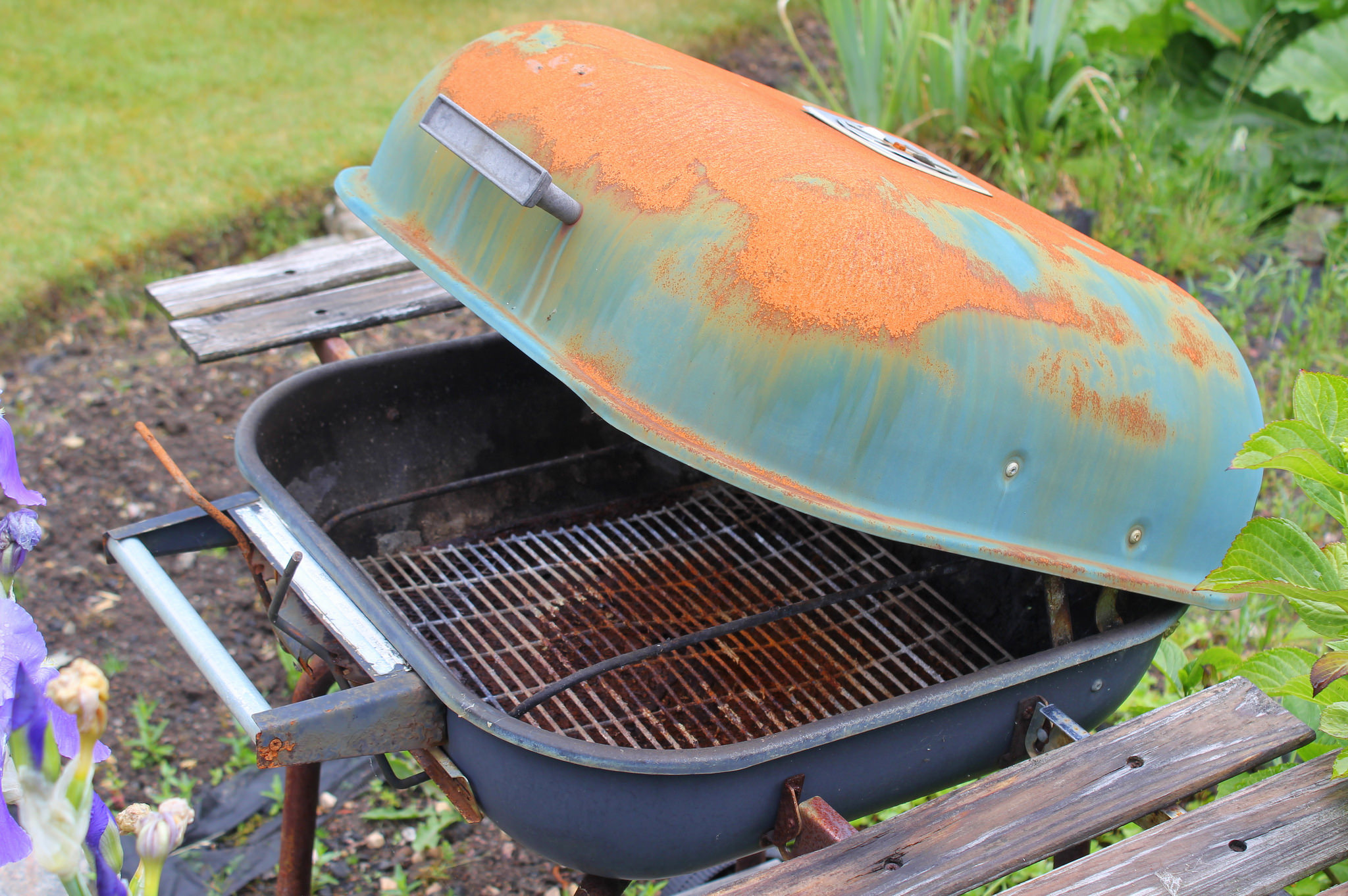
Maybe you waited a little too long for spring cleaning, or maybe the warm weather and outdoor activities set back all your progress. Either way, use these tips to try to conquer the clutter and survive the summer. Clean out your fridge [caption id="attachment_57" align="alignnone" width="225"] https://www.flickr.com/photos/jacopast/[/caption] When you are piling up the meats, plates and condiments for a backyard barbecue, take stock of what you are bringing outside, and what you are leaving. Can't remember how old that bottle of mustard is, and whether it is from this summer or the one before? Ditch it and pick up a fresh bottle, you and your guests' taste buds will thank you. Did you buy that jar of relish for a family member who was in town, but no one in your house will touch the stuff? Ditch it. Check the fridge and freezer for items that have seen better days, odds are that you'll never use that frozen chicken breast from 2014. Make sure your tools are up for the job. At the end of last summer, maybe you left out your barbecuing tools, or just a stray spatula or pair of tongs. Depending on where you live, the fall and winter might have left your tools warped, rusted or broken. Now it's time to treat yourself to some new tools. This also applies to any other gear that may have spent the winter outside and has been rendered unusable. If your grill has succumbed to rust, it might be time to get a new one. [caption id="attachment_61" align="alignnone" width="150"] https://www.flickr.com/photos/gspiccies/[/caption] In the same vein, look around your kitchen and house for things that may have seen better days. Is there Tupperware or other food storage containers in your fridge or cabinet that might have taken on some funky odors? Are your other containers a jumbled mess of missing lids and mismatched pieces? A simple refresh of your food storage containers can help you become more efficient and safer when it comes to your leftovers and packed lunches Prepare for mosquitoes and flying pests While not technically summer cleaning, everyone knows the warm weather brings an increase in flying pests. Whether they are out for your food or your blood, use these tips to try and keep them away. The easiest way to get rid of mosquitoes is to eliminate the places they can breed. Mosquitoes lay their eggs in and around standing water, the bugs need only a small pool or puddle (around 6 inches in diameter and 1/2 inch deep at a minimum). Look for and drain any flower pots, decorative buckets or dishes, and even tarps that might cover your grill or yard items; if the tarp is loose, water can pool in the folds. Using essential oils, or burning a candle loaded with essential oils, is a time-tested method to keep insects away. Look for citronella or lemon eucalyptus oils, available as an oil, a spray or in candle form. If you find that mosquitoes and flies are becoming an unbearable nuisance, a lot of experts are offering up a simple solution: an electric fan. Mosquitoes and flies are not particularly strong fliers, so a ceiling fan or rotating fan should be able to disrupt them on their path to you or your food. The fans also help dissipate your human odors and the carbon dioxide that you breathe out, two ways mosquitoes know where you are. Finally, that fan will provide a welcome breeze to get you through even the hottest days.
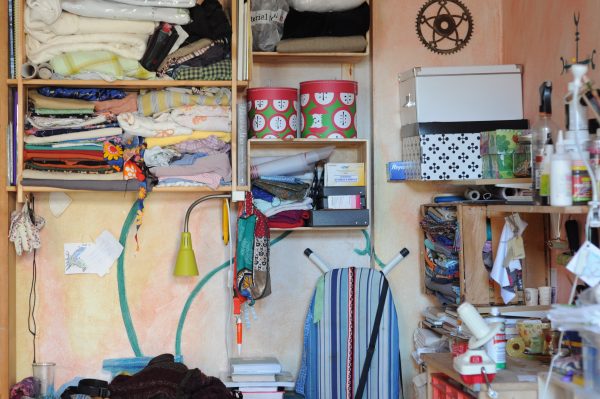
Flickr/Diselfliege Congrats on your new home! Now you just have to figure out how you're going to pack and move everything without breaking the bank, your fragile lamp, or your back. Good thing we put together this list of 10 easy moving and packing tips that will make your move dead simple. How do we know these tips will make your move dead simple? We asked expert movers, packers, and professional organizers to share their best tips. So sit back, grab a snack, and dive in! 1. Get rid of everything. Okay, maybe not everything, but the more unused and unnecessary items you eliminate from your home, the less stuff you'll have to pack up, haul across town, unload, and organize. Be ruthless with your stuff. That coat you think is cute but haven't worn in four months? Donate it. The very first coffee maker you ever bought that flavors your morning brew with little pieces of rust? Trash it. Doing a massive preliminary purge will have the single biggest impact on the efficiency and ease of your entire packing process. 2. Sort things by category. Instead of spending a day cleaning out your entire bedroom, spend an afternoon sorting through every article of clothing you own. Scour every coat closet, dirty clothes hamper, and laundry room until you've got all your clothes in one place. Then sort. Do the same thing for books, shoes, important papers, and the like. 3. Schedule a free donation pickup. Save yourself a trip to your local Goodwill and schedule a free MakeSpace pickup. In addition to picking up and storing practically anything (including furniture), we'll also pick up your donation and drop it off to Goodwill - at no extra charge. Pro Tip: If you'd like to donate to a different charity, use donationtown.org to schedule a free pickup at your home. All you have to do is put your giveaway items in boxes and leave them on your doorstep. The good men and women of Donation Town will then pick up your stuff and deliver it to a local charity of your choice. 4. Set aside stuff to sell. You probably have a few items you no longer want, but would love to get a little money for. If that's the case, set these items aside and determine where you can sell them. If it's furniture, Craigslist or AptDeco might be your best bet. If it's brand name clothing, you could try Poshmark or a local consignment store. For specialty items like a gently used Coach purse or your collection of 90's Beanie Babies, get on eBay. Once you have everything sorted, set a date on your calendar to visit the nearest Buffalo Exchange or craft descriptions of the items you plan to sell online. 5. Research professional moving companies. Research is never fun. Yelp and Google will overwhelm you with the sheer volume of choices for moving companies to hire, but don't give in to the pressure and pick the first four-star rating you see. A moving company can often make or break your entire moving experience, so it's important to get it right. The more effort you put into finding a reputable company with excellent customer service ahead of time, the less hassle you'll have on moving day. Make sure to read the company's list of services, fine print, and refund or damage policies, too. For example, some companies don't lift items that aren't in boxes (so your stuffed-to-the-brim duffel bags won't make the cut), while others ask for full payment several weeks early. Find out the specifics so there are no unwelcome surprises come moving day. 6. Pick the right moving day. Hire your movers at least a month out so you can plan accordingly. If you have a flexible schedule, play around with potential moving dates and try to find the cheapest time of month to make an appointment. Moving companies are busiest on weekends, so if you can skip the Saturday chaos and schedule your move for a Tuesday, you might get a significant discount. 7. Map out the best way to get to your new home. Whether you're moving to NYC, across the country, across state lines, or just to a neighboring town, you're going to need an efficient travel route so you don't waste your move-in day sitting in gridlock traffic or pulling over three different times to type an address into your GPS. Figure out the easiest, most efficient way to get where you're going. Look up potential highway construction schedules ahead of time. And take traffic, detours, and necessary stops into account when you're making your plan. 8. Create a master moving to-do list When you move homes, you inevitably end up having 600 different things to do and remember. Don't let all these tasks and important reminders, no matter how seemingly obvious, slip your mind. Write them down somewhere. Put them in the Notes app on your phone, in the to-do list app Wunderlist that professional organizer Anna Bauer recommends, or go old-school with a giant yellow legal pad. No detail is too insignificant. You just remembered the name of the little bookstore in town that will accept your used novels? Write it down. Not sure which novels to donate? Here's how to decide what books to keep or get rid of. You stuck that extra screw from the broken drawer next to the sink? Take note. You have to return your cable box to your provider at least one day before you leave? Jot it down. 9. Put moving tasks on your calendar. Take your organization a step further and spend an evening mapping out everything you have to do. Get an oversized calendar and mark the empty white boxes with important daily tasks to prepare for your move. Tuesday: Call moving company. Wednesday: Sort through toiletries. Thursday: Buy new sheets. An added bonus to using the calendar method is that breaking up your tasks by day makes them seem more manageable. Also, don't forget to add "celebrate with wine" somewhere in there to give you something to look forward to. 10. Get moving boxes from your local liquor store. Pay a visit to your local liquor store (that's where you can buy the aforementioned wine) to see if they recycle their used boxes. If so, ask if you can grab a handful so you're saving a little paper in your moving journey. Just make sure the boxes are very gently worn and that you only use them to hold lightweight items like linens and towels. You don't want to deal with ripped boxes and broken valuables on the big day. 500 Park
May 5th is Cinco de Mayo. This holiday commemorates a military victory that took place during the Franco-Mexican War in which the outnumbered Mexican troops halted France's army. Festivities in U.S. communities with high Mexican-American populations tend to be bigger than those in Mexico (Cinco de Mayo is a minor holiday in its native country) and are often full of parades and historic reenactments of the battle. In fact, the prevalence of Cinco de Mayo in the U.S. just goes to show how much of an influence Mexican culture has had on its neighboring country. If you're observing the holiday, here are four ways to honor it: 1. Color your home Mexico celebrates Cinco de Mayo with colors galore, including, of course, red, green and white. Bring the joy of the holiday to your home by sporting bright and saturated tones. While the colors of the Mexican flag are a good place to start, yellow, pink, orange and blue are also up for grabs. One way to bring the brilliant hues into your home and also enjoy spring, is to decorate with fresh Cinco de Mayo flowers. Any brightly colored bouquet will make a beautiful addition to the festivities. 2. Prepare an authentic meal The conflict that took place on Cinco de Mayo in 1862 is also known as the Battle of Puebla, named after the town where the event occurred. Many celebrations of Mexico's victory include dishes native to the area, such as mole poblano. After all, according to Business Insider, Puebla is the foodie capital of Mexico, so whipping up traditional cuisine is both a tasty and appropriate way enjoy the day. Chicken tinga, chalupas and molotes are all other iconic foods to try on Cinco de Mayo. Do some research into ingredients that are native to Puebla to plan your menu. 3. Go to a museum To truly understand the history of Cinco de Mayo, or to better appreciate Mexican culture, consider seeking out a Mexican-American museum or cultural center in your community. See if the locale is holding any festivities or hosting special exhibits. If not, you can still learn a lot from the material already available. This is also a great celebration option for families with kids, as your little ones will have the opportunity to explore a new culture. Call the museum ahead of time to see if it has programs for kids. You can also create a worksheet before going to the museum for your children to fill out while you're there. 4. Enjoy local festivities In addition to observing Mexican culture by visiting a museum, you can experience Mexican-American traditions by checking out festivities where you live. Whether it's attending a parade or watching a re-enactment of the Battle of Puebla, you're sure to find something new and exciting if you live in a diverse community. If your town doesn't observe Cinco de Mayo with as much flair, you can watch parades on TV or online to enjoy the celebrations. 5. Attend a concert Discover another part of Mexican culture by attending a concert. Not only will seeing live mariachi give you more insight into Mexican culture, but it also supports the artists and can be a fun time - few things are more energizing than live music.
Spring has sprung and for many residents, de-cluttering is a big part of the Spring Cleaning task. Purging your unwanted or unnecessary items is a great way to cleanse not only your home, but your soul. But what do you do with all of the excess stuff? Consider donating your items to Goodwill. Goodwill isn't just another Thrift Store; the non-profit has helped hundreds of thousands of people "reach their full potential through education, skills training, and the power of work. Your donations will contribute to this mission! Before you donate, however, be sure to inspect your items for stains or tears, make sure they have all their pieces and parts, and that they are in good working order. While Goodwill will occasionally accept items that don't meet these standards, your items will do the most good if they do. As long as your items are in good condition, Goodwill will accept most household stuff, but you'll want to call ahead for a few things. Check out their guidelines below before dropping off your items: Accepted items: clothing shoes and boots jewelry hats, gloves, mittens and scarves books, records, compact disks, video tapes and DVDs games, toys, and sport equipment dishes, glassware, and kitchen utensils lamps small appliances collectibles, antiques, knickknacks hand tools and small power tools linens, curtains, and blankets stereos, radios, VCRs, DVD players Call before donating: vehicles personal computers computer accessories flat-panel monitor HDTVs dressers, tables, chairs, sofas and bed frames 500 Park
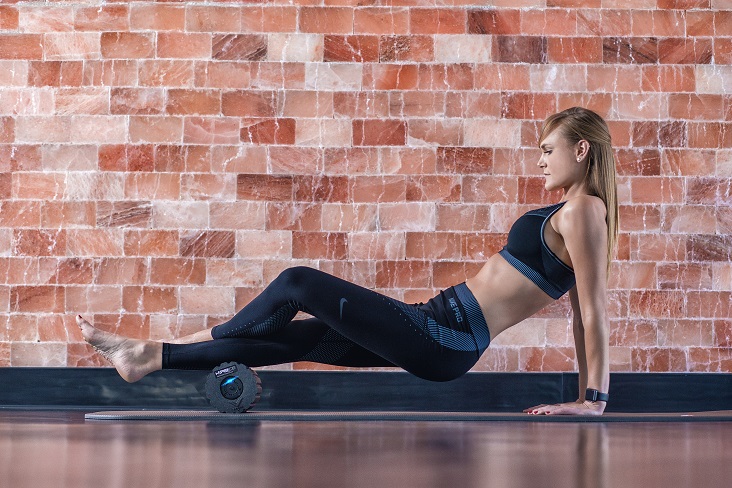
Foam Roller Lower Back Foam rolling where you literally roll your muscles on a piece of foam to help loosen them up might not be the most "showy" exercise on the planet (hello weightlifting), but it can play an important role in keeping your muscles loose, thereby reducing soreness and helping avoid injury. If you're searching for a way to help yourself stretch, you should consider adding foam rolling to your routine. Regularly rolling your muscles out can help you maintain flexibility and your range of motion too. Certified trainer Robbie Davis, who started his career 20 years ago working with the Los Angeles Clippers basketball team, has created these four exercises that apartment renters who live in small spaces can perform. If you do these exercises a few times per week, expect to notice a significant difference in the way you move, says Davis. Consider rolling before or after exercise. What you'll need: a soft, carpeted area or a yoga mat, and a foam roller. General tips: You'll want to ensure you have proper positioning before you start rolling. It's also important to roll slowly to allow your muscles to release. Foam Roller Calves Calves Sit upright on the floor with your legs out in front of you so your body makes an "L" shape. Slide the foam roller underneath your legs so it rests right below your calves near your ankles. Place your hands flat on the ground on either side of you, and lift your weight off the ground. Slowly push yourself forward and backward, rolling up and down both your calf muscles. Tip: For added intensity, cross your feet and focus on each leg individually. Foam Roller Quads Quads Lie on the floor face down and place the foam roller between the ground and the area right above your knees. Be careful not to roll directly on the knee. Plant your hands in a push-up position, lifting yourself up so only your hands touch the ground. Use your upper-body strength to move your body back and forth, rolling across your quads. Tip: For added intensity, cross one foot behind the opposite knee so your legs make the number "4" and focus on one leg at a time. Foam Roller ITBands IT Bands Before we get into the specifics of this exercise, we want to give you some background information on your IT bands. Your iliotibial band, or IT band, is a ligament that starts at the side of your hip and ends at your shin. Tight IT bands can contribute to injuries and can be painful too. Turn so you're lying on your left side, then push your upper body up with your left hand so you're resting on your left elbow. Bend your right knee and plant your foot on the ground in front of your left knee. Lift up off your hip and place the foam roller at the top of your IT band, or just below your hip. Push your body forward and backward, slowly rolling along your IT band. Repeat on the right side. Tip: For added intensity, press firmly against the roller, inching along any tight spots. Foam Roller Foot Feet Stand up straight and place the foam roller under one bare foot. Push into the roller as your foot rolls up and down, working the heel, arch and sole. Repeat on the opposite foot. It's best to stand near a wall if both feet are on the roller so you can catch yourself should you fall. Keep one foot on the ground if balancing is something you struggle with. Tip: For added intensity, angle the foot to roll along your instep or the arched middle part of your foot. 500 Park