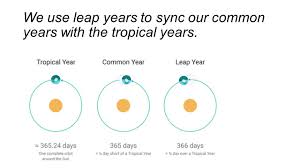
Calm down, calm down, it's not a leap year. That won't happen until 2020 when we see another election and the Summer Olympics. We just got to thinking one day, why leap year? The origins of the leap year date back to 46 BC, when Julius Caesar, under the influence of Sosigenes of Alexandria, introduced the Julian calendar. According to them, a year was considered to be not just 365 days, but actually 365.25 days (hence the need for a leap day/year). But what they didn't realize is that the Tropical year (the time it takes the planet to make one revolution around the sun) is actually slightly less than that (about 365.242), and over a period of 400 years, the Julian calendar would end up having an extra 3 days. This meant certain astronomical events, like the Vernal Equinox, and festivals associated with such evens, like Easter, occurred out of sync with respect to their fixed dates. By the year 1582, the difference in time had accumulated, and the calendar had fallen so out of sync with the Tropical year, it was off by 10 days! To fix this, Pope Gregory XIII, under the influence of astronomer Christopher Clavis, produced the modern Gregorian calendar we know today to correct this error by simply omitting those 10 days. Which meant that after Thursday, October 4, 1582, the next day was Friday, October 15, 1582. Which meant October 5, 6, 7, 8, 9, 10, 11, 12, 13, 14, in 1582 technically never happened. Google it! Apparently there were riots in Europe because people felt like 10 days were taken away from their lives. Crazy. Anyway, that's why we have a leap year. But to compensate for the extra 3 days every 400 years, the Pope also added a rule that every century which is not divisible by 400 will not be a leap year. So the year 2000 was a Leap Year, but 2100 won't be. Makes sense, right? Note: even the Gregorian calendar is still off. Every 3236 years, the calendar gains an extra day. 500 Park
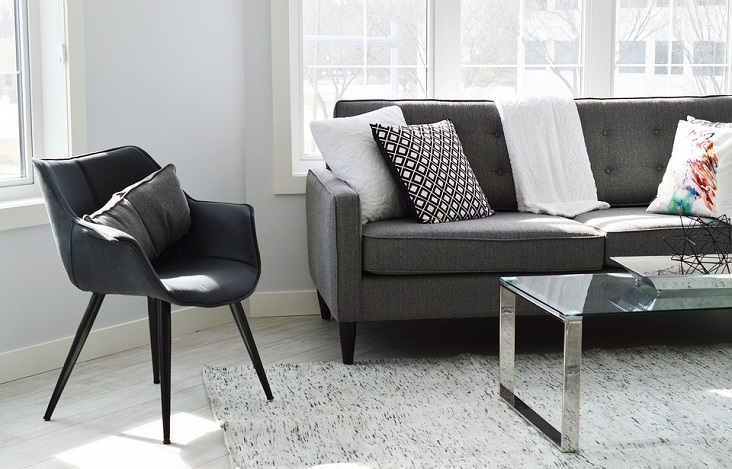
Downsizing ain't easy. Moving from a house to a new apartment can provide you with a brand-new start, but it may also come with many changes that can feel foreign or overwhelming. Change doesn't have to be scary, though, here are a couple of the biggest things you can expect when you make the leap from house to apartment - and a look at how you can make the most of these opportunities! Planning to Downsize All you need to do is go on Pinterest or browse the magazine rack at the local market to find thousands of ideas about how to improve your life through downsizing. Lucky for you, downsizing is just part of the deal when you move from a house to an apartment. Here's a closer look at how your new lifestyle embraces this trend. Less space: One of the most obvious changes you'll encounter when you move from a house to an apartment is less living space. Apartments are designed for efficiency, which means that overall square footage will be less and individual rooms will be smaller. Rethink your furniture - that oversized sofa may need to be traded for a sleeker version that fits better in your new space. The upside is that you have the perfect excuse to go shopping and play with a whole new look for your new home. Limited storage: You'll probably have to take a good, hard look at everything that's currently living in a closet, cupboard, or drawer, and decide whether or not you can live without it. Some new renters use this opportunity to declutter their lives, while others learn to love the world of storage units. It can be revitalizing to get rid of extra baggage you've been holding on to simply because you have a place for it to hang out. But if you have items you can't bear to part with (Grandma's china), it's pretty affordable to rent a storage unit where your precious mementos will be safe and sound. Consider Community Perks If you're conflicted about saying goodbye to your house, our sweet apartment bonuses may help you greet apartment life with open arms. Amenities: A pool, hot tub, fitness room, and someone else to worry about landscaping and lawn care - what's not to love? One of the biggest perks of going from house to apartment living is the"resort-like amenities" that many communities offer. Be prepared to take full advantage of these extras. Community amenities provide the chance to relax, stay in shape, and make new friends who live just down the hall. Security: Living in close quarters with neighbors adds a lot of extra safety. It's easier to get to know neighbors and spot when someone is lurking around who doesn't belong. In addition, some rental communities have security guards or extra measures like pass cards or security codes to enter buildings and communal areas. Ask the landlord what sorts of security is in place when you take a tour of the premises; you may be pleasantly surprised at the safety measures you'll get for little to no added cost. No matter the reason you're moving from a house to an apartment, this change can be exciting. Prepare yourself to embrace apartment living and know what to expect by doing some thorough research before signing that lease.
Thinking about adopting a dog? If you didn't already know, we are a pet friendly community; in fact, we LOVE our furry residents. We have a few restricted breeds, however, so be sure to check with us before bringing home Fido. While almost any dog can potentially make a great apartment dog, we've narrowed down the breeds that, based on generalized demeanor, will be the best fit for your apartment. Dachshunds These adorable little "hot dogs" are expert snugglers who love burrowing beneath blankets and cuddling up to their loved ones. The smallest of the hound breeds, they do enjoy a good run but the bonus here is that with legs just a few inches long, you can give them all the toy-fetching exercise they need right in the house! Bichon Frise Fluffy, French and altogether fashionable in appearance, Bichons shed very little, though they will need regular grooming to stay kempt. Energetic, loving and bright, the Bichon makes a wonderful companion. While they do enjoy a walk, they're happy to be little movie-watching couch potatoes, as well. Chinese Crested These interesting-looking little love dogs come in a powderpuff and hairless variety. The hairless are very easy to maintain, as you might imagine, though they can get cold and should own a few sweaters! Weighing up to 12 pounds, they of course need regular walks but don't require a large amount of exercise and do very well in apartments. Miniature Pinscher These dogs are like giant Dobermans that have been hit with a shrink ray! Miniature Pinschers (or Min-Pins, as they are often called) have a similar appearance to the Doberman, but are actually a distinct and older breed. Standing roughly 10"-12" tall at the shoulder, these tiny titans average out to about 11 pounds, and make wonderful watchdogs, as they're alert and suspicious. Also adorable. Shiba Inu Are you an experienced dog owner who loves taking your dog out for exercise? If so, the foxy-looking Shiba, which hails from Japan, often makes one of the best apartment dogs! Shibas have lots of energy, so if running either in tandem or turning your pup loose at the dog park on a daily basis sounds like you, this is definitely a breed to consider. Greyhound We know. You're probably thinking, "How can these dogs with their racing backgrounds be one of the best dog breeds for apartments?!" But they are! Long, lanky and content to be lazy, the only thing greyhounds may demand of you is more couch space. They actually need very little exercise or grooming, and they're wonderfully easygoing and quickly trained. What's more, greyhounds are plentiful in rescues nationwide, and thus affordable to obtain. Bulldog Want a true couch potato? These wrinkly little lovers may not look like lap dogs, but as far as they're concerned, they definitely are. Quiet, friendly and loving, bulldogs enjoy a good romp, but they're fairly low-energy and very content loafing about with their loved ones . . . and a cozy apartment would suit just fine. 500 Park
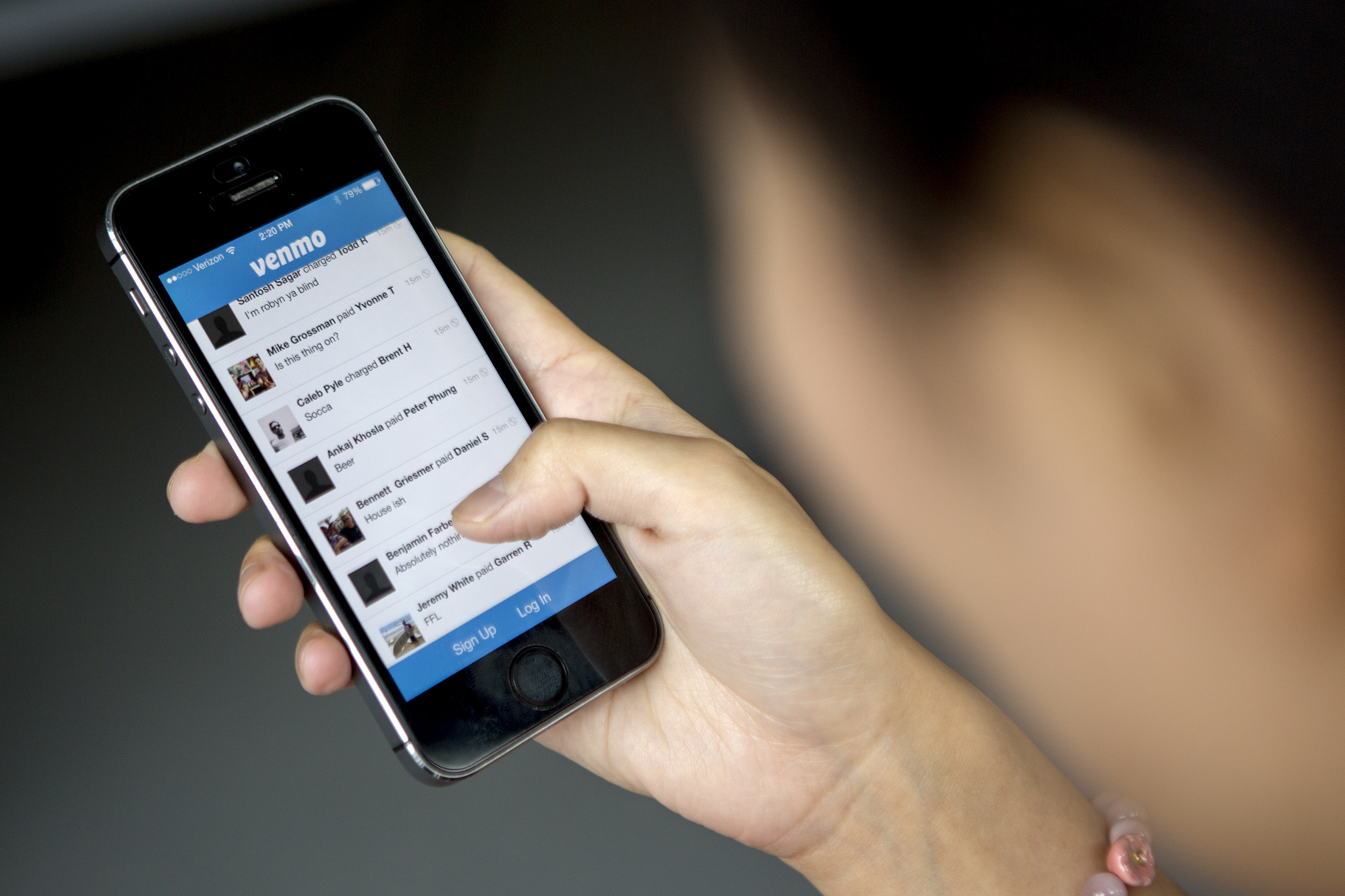
[caption id="attachment_27" align="alignnone" width="300"] Living with a roommate can be a great experience, but sometimes troubles arise when it's time to pay the bills. Luckily, there are apps that help make your living situation a little easier. Check out the following apps that will help you and your roommate stay on track for groceries, rent, debt owed, and more: Splitwise Splitwise helps to ensure everyone gets paid back and is completely free to use on your computer, iPhone, or Android. It tallies up all your IOUs so you can reimburse in one big payment. This is great when you're having to pay for rent that isn't all inclusive. You can also set up reminders to help you keep up with payments by uploading expenses and sharing with your roomies. Venmo Venmo is probably the most popular among the money-sending app variety. You can easily add a bank account or debit card and transfer money between roommates at no extra charge. You can also keep money in your Venmo account to use towards your bills. Venmo is totally free and easy as long as both parties involved have the app. It's also a great way to send birthday money or split dinner! IOU IOU is your personal debt manager! You can upload expenses, share them among your housemates and even send each other email reminders about payments. You can add recurring IOUs for monthly bills and create payment plans for bigger purchases. It's really easy to keep track of everything with a record of your debt history. Avoid confusion and fights about who paid who back, when you can refer back to the app. Splitrr Splitrr is extremely easy and convenient to use because there is no login required, it works completely offline and supports all currencies. It will help tell you who is next to pay and who owes whom money. You can generate a PDF to email to your roomies to keep up to date. This app also works wonders for planning weekend trips and vacations! OurGroceries So what if you and your roomies share groceries? There's an app for that! With OurGroceries you can easily make and change grocery lists, crossing off items as you purchase them. That way you don't end up with double duty on shareable items like eggs, milk, and (of course) wine. 500 Park
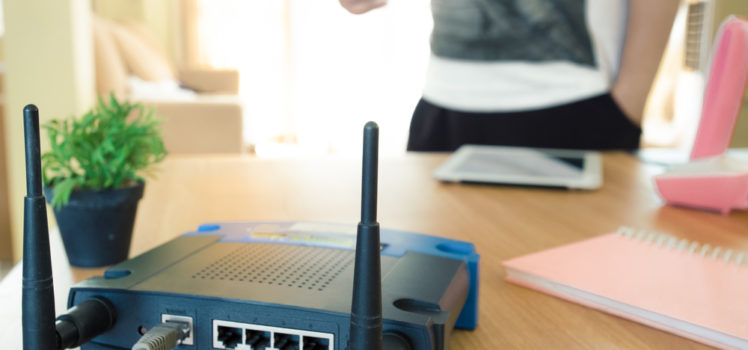
With identity thieving at an all-time high, securing your personal information is more important than ever before, and it can start with something as simple as ensuring that your apartment's wifi password security, as well as your other passwords, are strong enough. But how do you create a secure password? The Three Essential Rules to Creating a Secure Password Though passwords may seem like a hassle to remember, they're a hugely necessary inconvenience. According to cybersecurity company IdentityHawk.com, they're essential in the fight against someone stealing your data or even your identity. In order to ensure your password security, start by keeping these three rules in mind: 1. Passwords should be complex and long While this may make your password more difficult to remember, it also makes it more difficult for a hacker to guess. Aim for a password that's at least 8 characters long, includes both upper and lowercase letters, numbers and special characters such as %, # or &. 2. Passwords should not be easy to guess It's always tempting to use something simple like "password1" or even "123456", but that's one of the worst things you can do. Sequential numbers are actually the worst for hacks, according to SplashData, who collect information on data breaches. In fact, in 2015, "123456" was the most commonly used password found in hacks for the 5th year running. 3. Use a different password for every account Using the same password for all of your accounts is just asking for trouble. Oftentimes during major data breaches, hackers will try using acquired passwords on other accounts just to see if they'll work, meaning they could possibly gain access to your important financial information. If your memory just isn't built for that kind of thing, try using one of the top password managers to ensure your password security. How Do I Know If I Have a Bad Password? Here is SplashData's top 25 list of most commonly used--bad--passwords. If you are using any of these, change it. Now. 123456 password 12345 12345678 football qwerty 1234567890 1234567 princess 1234 login welcome solo abc123 admin 121212 flower password dragon sunshine master hottie loveme zaq1zaq1 password 1 Instead, use these 3 simple tips for a better password: Use passwords or passphrases of twelve characters or more with mixed types of characters Avoid using the same password over and over again on different websites Use a password manager such as TeamsID to oranize and protect passwords, generate random ones, and automatically log into websites. So what's the best way to choose a secure password? Choose a phrase with at least 8 words: This is my favorite sandwich in the world Take the first letter of each word: timfsitw Switch one (or two) to an uppercase: TimFsitw Switch one to a number: T1mFsitw Switch one to a special character: T1mF$itw Add something unique from each site (i.e. add a "b" for banking, and "f" for Facebook, etc.) 500 Park
If there's one meal at which family drama is on full display, it's Thanksgiving. Expectations and emotions run high, and there are a lot of moving parts to cause friction. Even Anthony Bourdain, who is seemingly immune to the criticism of others, feels the pressure to pull off the most anticipated meal of the year. If you're hosting (and taking seriously) The Big Meal this year, you'll need to read this before tackling anything related to it. There's a lot you're just plain doing wrong. Below, a list of exactly what you're doing wrong, according to Anthony Bourdain: 1. You start cooking on Thanksgiving Day. Preparing your whole meal in one day - even two - is a recipe for system failure. Order your fancy farmer-raised turkey now. Or, if you are going to buy a more plebeian bird from a regular market, get your hands on it no later than the Monday before Thanksgiving. 2. You're not planning well enough. Plan for three days - that's right, three days - of full-on Thanksgiving prep. Make a list of everything that needs to get done and follow it. The Tuesday before Thanksgiving, you should be organizing your supplies and tools, making sure you have enough roasting pans, mixing bowls, and storage containers ,and banging out advance vegetable prep. 3. You're not giving yourself enough time to thaw everything out. Do not wait until Thanksgiving to lay out your non-perishables and frozen items. The vast majority of holiday turkeys are sold frozen, and it takes about six hours per pound to defrost in the refrigerator. No amount of prayer, salting, or hastily applied hairdryers can speed up this process if you've waited until Wednesday to thaw a 12-pound bird. Your microwave isn't big enough. You can jolly it along a bit with a cold water bath, which thaws the meat at approximately 30 minutes per pound, but do not float your turkey in your bathtub. 4. You're not saving the stock when it's all over. It's liquid gold for cold weather. Stock is the underrated superhero of the Thanksgiving meal, the product that comes out of nowhere to save almost everything except your pie. You should make stock out of your Thanksgiving turkey carcass, but the use of a good, dark, gelatinous-when-refrigerated stock that you have on hand before the meal is what's going to upgrade your stuffing and gravy. Buy about five to seven pounds of turkey wings and necks as the base for a deeply-roasted stock, or invest in a couple of quarts of the best-quality turkey stock you can find a few days (or weeks) before the holidays. Use the stock made from your Thanksgiving birds for winter soups and stews. 5. You only make one turkey? That's cute. Prepare a stunt turkey and a business turkey. To impress guests, roast and artfully arrange a small turkey, using any and all manner of garnishes and props, including (but not limited to): chop frills, rainbow pinwheels of skewered citrus fruit slices, maraschino cherries, curly kale, lit sparklers, and crisp, new $100 bills and/or gold leaf. While guests admire your artistry (and drink your Burgundy), carve the larger, roasted business turkey in the kitchen. The stunt turkey should be edible, of course. Use it to supplement the meal as needed, or lean on it entirely for care packages and day-after leftovers. 6. You're throwing away the fat. Do not discard the copious amounts of grease your bird has generously provided you with; use it to boost flavor. Butter is good, but turkey fat is better for delivering quintessential flavor. Save the grease that runs off the roasted birds, and use it for the gravy and as a moistening agent for your stuffing. 7. Don't try anything crazy. This is not the time for wild experimentation. Stick with tradition on Thanksgiving. You have 364 days of the year to experiment with the cuisines of the world, your dehydrator, and your sous vide machine. Give the people what they want on Thanksgiving: the likes of buttery mashed potatoes, savory stuffing with mushrooms or chestnuts or oysters, sweet potatoes with marshmallows, cranberry relish, bacon-enhanced Brussels sprouts, creamed onions, pumpkin or apple pie with real whipped cream, and above all, a straight-ahead bronzed turkey, roasted in the oven. 8. You're giving it all away at the end of the meal. A good turkey sandwich, enhanced with a layer of stuffing and gravy, eaten in peace after your guests have gone, is the whole point of hosting Thanksgiving in the first place. By all means, send your friends and family home with care packages, but first, make sure you've tucked away enough additional stuff for yourself. 500 Park